What 400+ Travel Films Taught Me About Destination Storytelling
After directing more than 400 travel films, including extensive work for Brand USA / Visit The USA, I’ve learned that the strongest destination films don’t simply show a place — they make you feel what it might be like to be there.
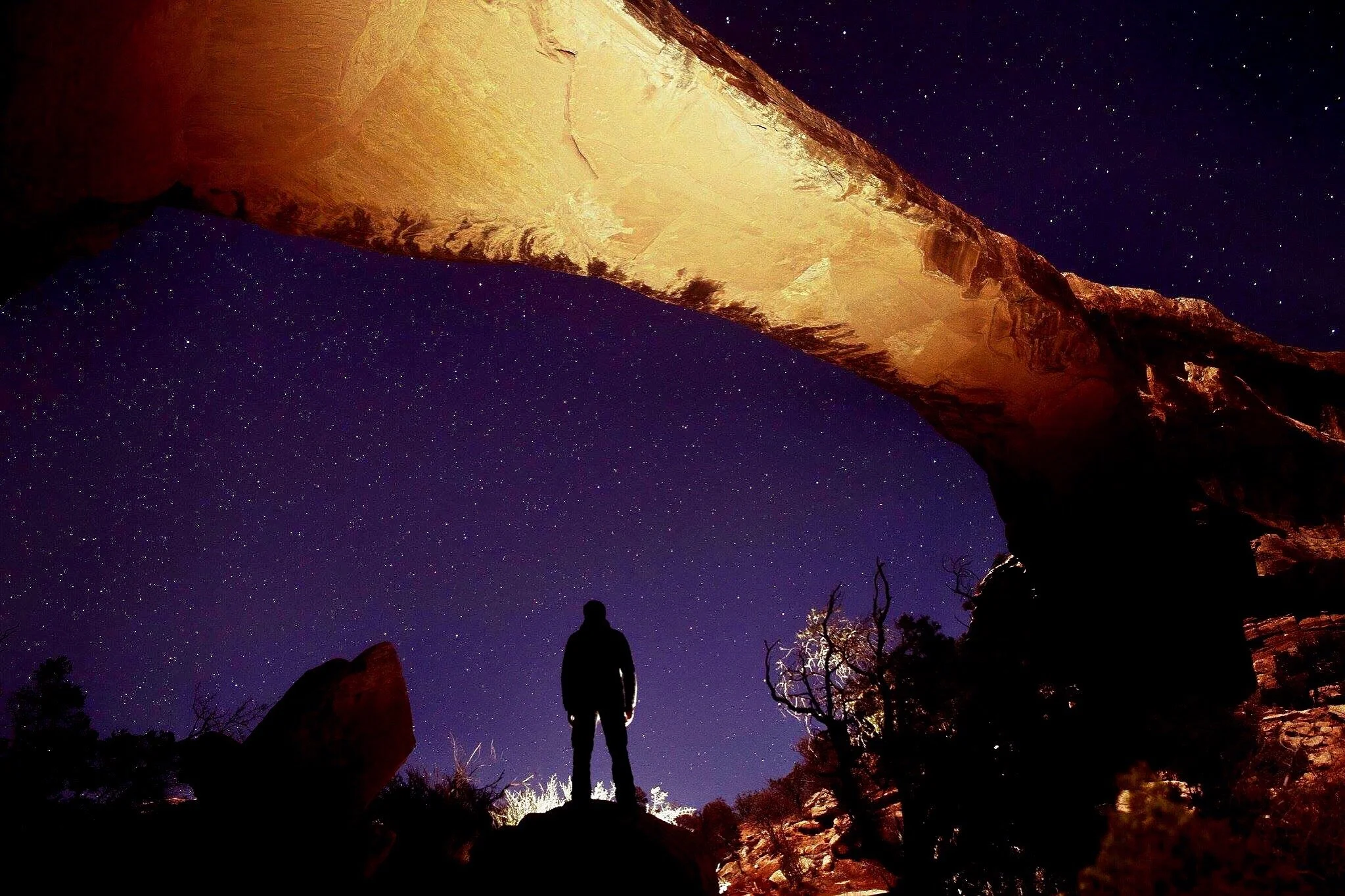
I’ve spent a significant part of my career traveling with a camera.
Over the years, I’ve directed more than 400 travel videos, including extensive work with Brand USA / Visit The USA, filming destinations across the United States and beyond. Every place has been different — different landscapes, cultures, people, weather, rhythms, and stories — but the more destinations I filmed, the more I realized that successful travel filmmaking is rarely about simply showing a beautiful place.
Beautiful images help. But they’re only the starting point.
The real goal is to make someone watching from hundreds or thousands of miles away imagine themselves there.
That idea has shaped almost everything about the way I approach travel filmmaking and destination storytelling today.
A Destination Is More Than a Collection of Landmarks
One of the easiest mistakes in travel filmmaking is to treat a destination like a checklist.
The landmark.
The restaurant.
The beach.
The hotel.
The sunset.
The drone shot.
You can capture every important landmark and still end up with a film that says very little about the actual experience of a place.
What interests me much more is the connective tissue between those moments.
The drive between two locations. The way morning light enters a café. Someone preparing food before the restaurant opens. A local conversation. Wind moving through a landscape. The transition from afternoon into night.
Those details create a sense of being somewhere, rather than simply looking at it.
A destination film should not feel like an inventory. It should feel like a memory.
Make the Viewer Imagine Themselves There
When I’m filming a destination, I’m constantly thinking about the person who will eventually watch the film.
What would make them want to step into this world?
That doesn't necessarily mean showing everything.
Sometimes it means doing the opposite.
A hand opening a hotel-room window can communicate more than a wide shot of the entire property. A close-up of food arriving at a table can say more about hospitality than another exterior shot of the restaurant.
These moments give the viewer a point of entry.
Instead of saying:
“Look at this destination.”
The film begins to say:
“Imagine yourself here.”
For tourism and hospitality storytelling, that emotional shift is incredibly important.
People Give Places Meaning
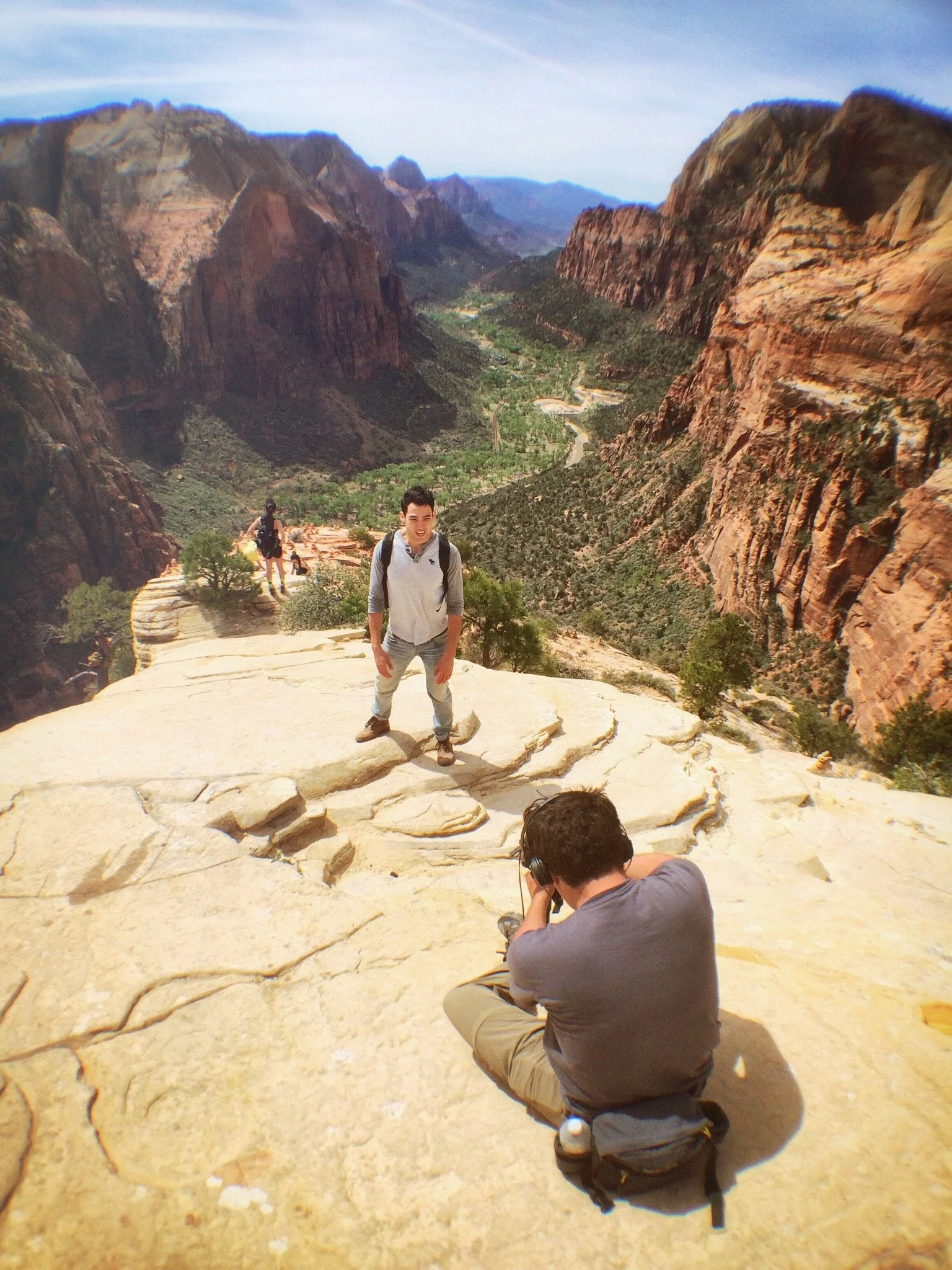
Landscapes are beautiful. Architecture can be spectacular.
But people are usually what make those environments meaningful.
Some of my favorite travel imagery involves very simple human moments — someone walking through a landscape, preparing a meal, laughing with another person, swimming, dancing, driving, working, or simply looking at something.
Human presence gives the viewer scale, emotion, and context.
It also prevents destination content from becoming a collection of empty postcard images.
The person doesn't always need to be the subject of the story. Sometimes they're simply the element that allows us to experience the location through someone else's eyes.
Movement Should Have a Reason
Travel films naturally invite camera movement.
Drones, gimbals, vehicles, boats, handheld cameras — you have endless ways of moving through a destination.
But movement becomes much more powerful when it has intention.
I’ve spent more than 2,000 hours flying drones, and one of the things I've learned is that an aerial shot becomes much more interesting when it does more than simply establish where we are.
I often combine several movements simultaneously — rotation, tilt, pan, altitude changes, and forward or lateral movement — so the camera feels like it is discovering the environment rather than simply flying over it.
But the principle applies equally on the ground.
The question should always be:
Why is the camera moving?
Is it revealing something?
Following someone?
Creating anticipation?
Showing scale?
Moving us from one part of the story into another?
Beautiful movement without purpose quickly becomes decoration.
When movement supports the story, the viewer rarely thinks about the camera at all. They simply feel themselves being carried through the experience.
Every Destination Has Its Own Rhythm
My work in electronic music has influenced the way I think about travel filmmaking more than I originally realized.
Every destination has its own rhythm.
New York doesn't move like the California coast. A road trip through the American West doesn't feel like a night in Miami. A quiet mountain town shouldn't necessarily be edited with the same energy as a major city.
The pacing of a film should reflect that.
Sometimes a shot needs three seconds. Sometimes it needs ten.
Not every transition needs to happen on the beat, and not every sequence needs constant movement.
A strong edit has dynamics in the same way music does.
There are moments of energy, moments of anticipation, moments of silence, and moments where the film needs room to breathe.
When the rhythm feels right, the destination begins to develop a personality.
Aerial Cinematography Should Be Part of the Story
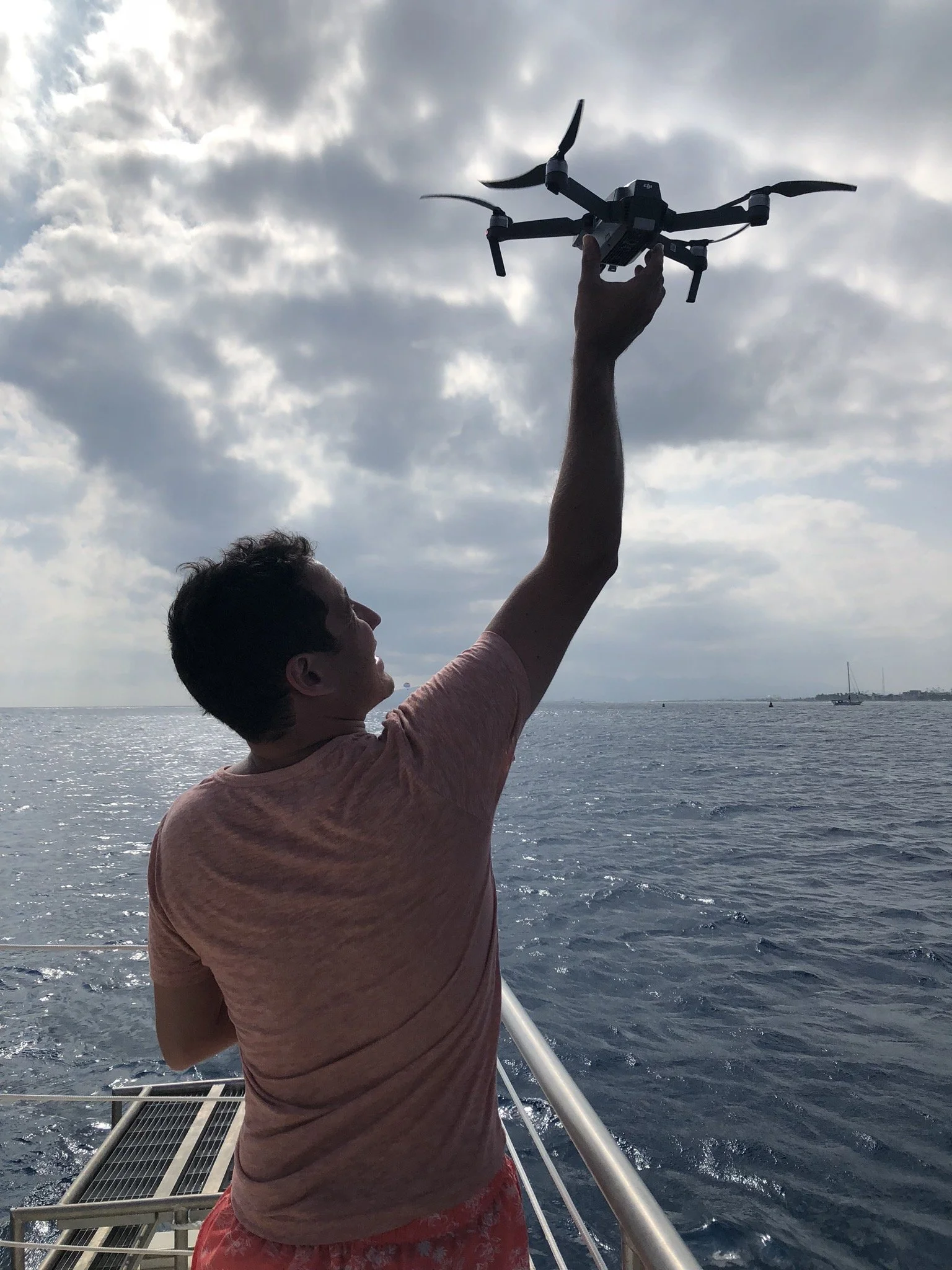
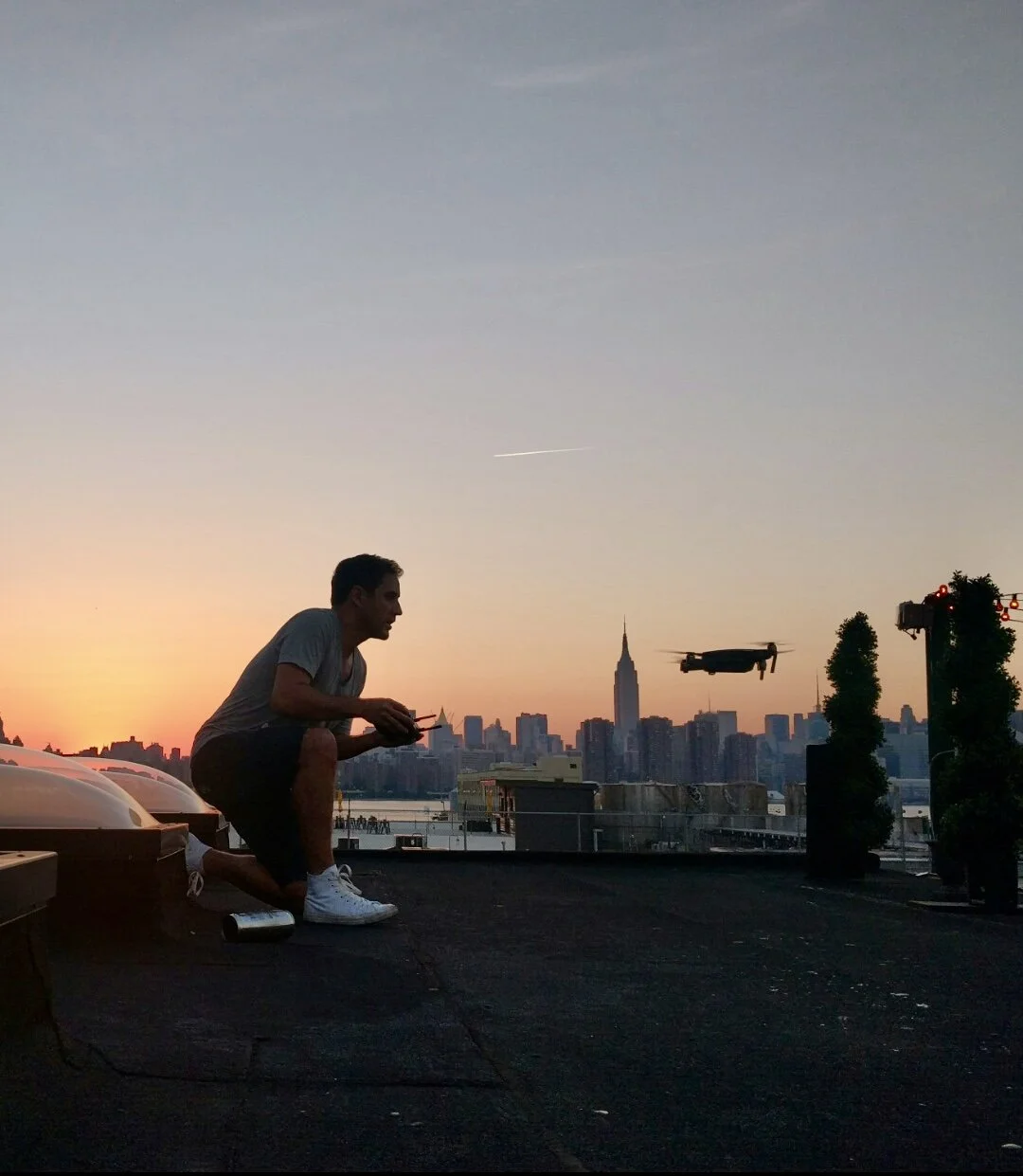
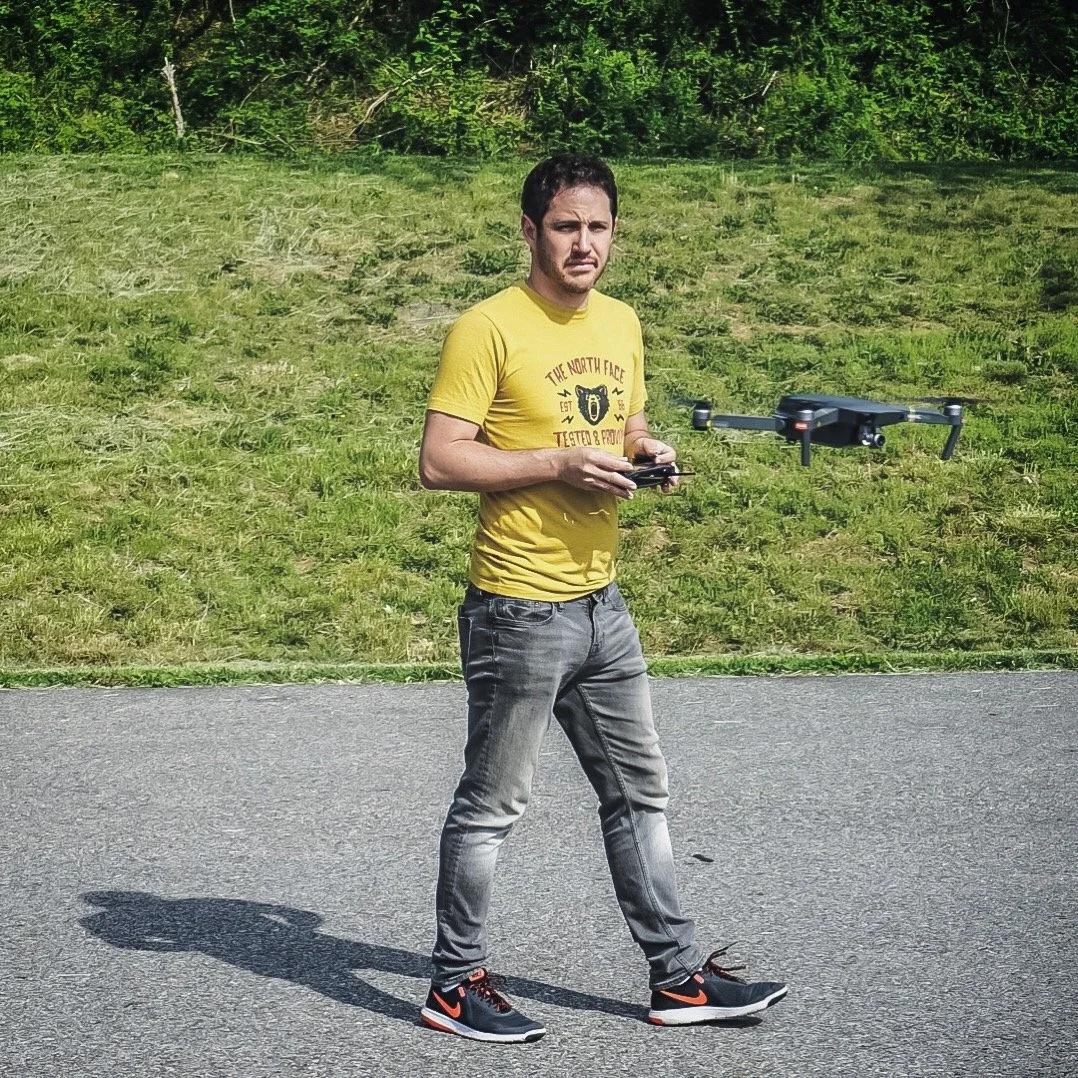
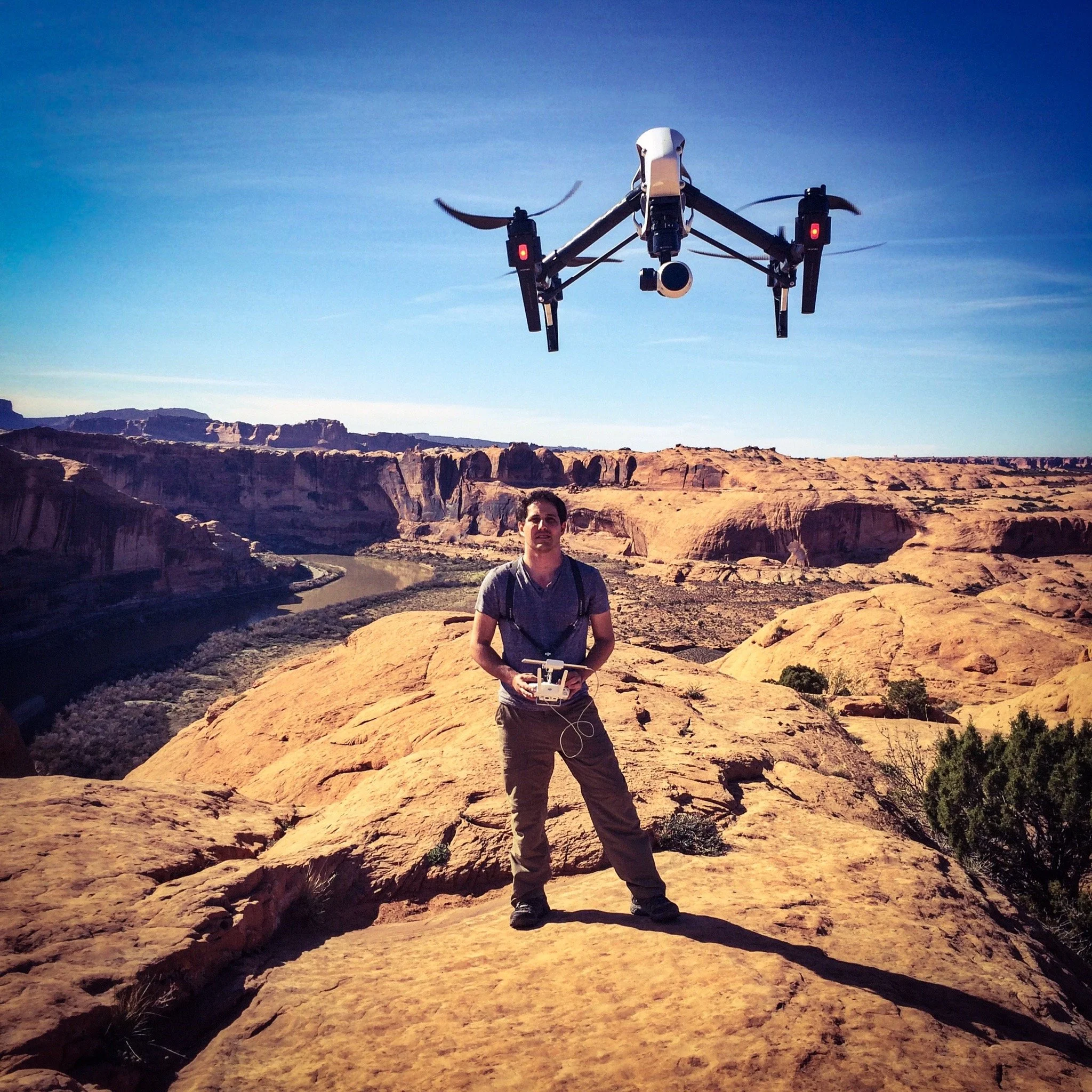
Travel filmmaking and aerial cinematography naturally belong together, but I don't think drone footage should exist simply because a drone is available.
The classic giant aerial establishing shot has its place.
But aerial cinematography can do much more.
It can reveal the relationship between a hotel and its environment. Follow a road into a landscape. Transition between locations. Show the scale of a coastline. Introduce geography before moving into an intimate human moment.
The strongest aerial shots are integrated into the visual language of the film.
They shouldn't feel like:
“And now here is the drone shot.”
Ideally, the viewer barely thinks about how the image was created.
They just feel the scale of the world opening around them.
Weather Isn't Always the Enemy
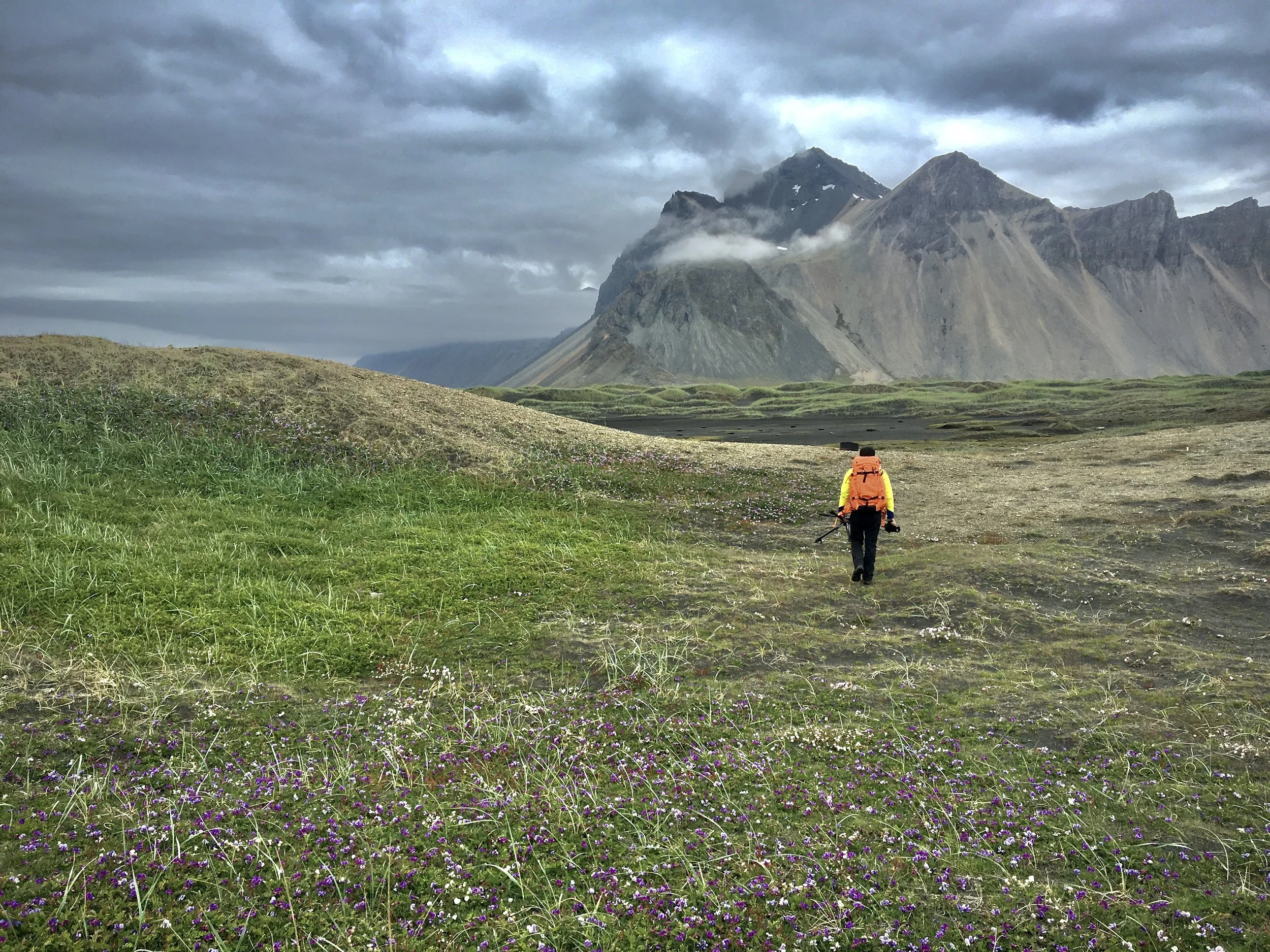
Travel productions rarely happen under perfect conditions. Clouds appear. Rain arrives. The sunset disappears. The location is busier than expected. The light changes before the schedule does.
You learn quickly that destination filmmaking requires adaptability.
Sometimes the conditions you weren't hoping for create the most interesting images.
Rain can add reflections and atmosphere. Fog can transform a familiar landscape. Clouds can create scale that a perfectly blue sky can't.
The job isn't always to force the destination into the visual plan you imagined beforehand.
Sometimes it's about recognizing what the location is giving you that day and finding the story inside it.
Authenticity Is More Powerful Than Perfection
There is a temptation in tourism content to make everything flawless.
Perfect weather.
Perfect food.
Perfect people.
Perfect hotel rooms.
Perfect sunsets.
But perfection can become strangely anonymous.
The details that feel slightly uncontrolled are often the ones people remember.
A genuine reaction. Someone laughing unexpectedly. Wind catching someone’s clothes. A crowded street. A moment that wasn't on the shot list.
Those imperfections give images life.
This doesn't mean abandoning production value. I still care deeply about composition, lighting, movement, and technical execution.
It means using those tools to capture something that still feels human.
One Production Should Create an Entire Content World
The way travel content is used has changed dramatically.
A destination shoot today might need to produce a hero film, vertical reels, photography, paid social assets, website content, aerial footage, short-form edits, and multiple variations for different platforms.
That means production needs to be considered from the beginning with multiple formats in mind.
But I don't believe that means simply shooting everything both vertically and horizontally.
Different platforms require different storytelling.
A cinematic destination film and a fifteen-second social video may originate from the same production, but they don’t necessarily need to tell the story in the same way.
That is also why I increasingly approach projects as complete visual systems rather than isolated videos. You can see more about that approach on my Services page.
Technology Changes. Storytelling Doesn't.
The tools available to filmmakers are changing incredibly quickly.
AI now allows us to extend environments, animate photography, remove distractions, reshape transitions, or create images that previously would have required much larger visual-effects productions.
Camera technology continues to improve.
Drones keep getting smaller and more capable.
But after hundreds of travel films, I keep coming back to the same conclusion:
Technology can expand the possibilities of a story, but it cannot decide what the story should be.
The fundamental questions remain surprisingly simple.
What makes this place different?
Who lives here?
How does it feel?
What would someone remember after leaving?
And most importantly:
Why should someone want to experience it for themselves?
The Goal Is to Create a Feeling
After more than 400 travel films, that's probably the biggest lesson I've learned.
Destination storytelling isn't really about locations.
It's about experience.
The landscape matters. The food matters. The hotel matters. The drone shot matters.
But ultimately, all of those things are ingredients.
The film works when they come together to create a feeling strong enough that someone watching from hundreds or thousands of miles away thinks:
I want to be there.
That is what I'm always trying to capture.
Planning a Destination Story?
I work with tourism organizations, destinations, hotels, agencies, and brands to create cinematic travel films, photography, aerial imagery, and campaign content built around the character of a place.